


Website Design, Marketing and Inspiration Blog
Educational items to help you succeed online.

Mortgage Calculators for Broker Websites: Decision Guide
Author: Roar Solutions Inc.
June 1, 2026
Last updated: June 1, 2026 Yes, many Canadian mortgage brokers should consider adding a branded mortgage calculator hub to their website, but only if it does more than produce a quick payment estimat ...
read more
Changing Brokerages? How to Update Your Mortgage Website Without Starting Over
Author: Roar Solutions Inc.
May 25, 2026
Last updated: May 25, 2026 Changing brokerages does not automatically mean you need to cancel your existing mortgage website and start again with a free brokerage site. In many cases, a custom websit ...
read more
Managed Google Business Profile for Mortgage Brokers, When DIY Stops Working and Visibility Starts Slipping
Author: Roar Solutions Inc.
May 12, 2026
Managed Google Business Profile for Mortgage Brokers, When DIY Stops Working and Visibility Starts Slipping For mortgage brokers in Canada, mortgage agents, U.S. loan officers, and mortgage companies ...
read more
The Mortgage Broker Homepage Framework for AI Search, Clear Services, Clear Locations, Clear Reasons to Trust You
Author: Roar Solutions Inc.
May 4, 2026
A mortgage broker homepage is no longer just a digital brochure. For mortgage brokers in Canada, mortgage agents serving local communities, and loan officers in the United States, the homepage is ofte ...
read more
Why Some Mortgage Broker Websites Rank but Still Do Not Convert, The Missing Conversion Signals That Matter in 2026
Author: Roar Solutions Inc.
April 28, 2026
A mortgage broker website can rank in Google, show up for local mortgage searches, and still fail to generate meaningful inquiries. That may sound strange, but it is one of the most common website pro ...
read more
Why Mortgage Broker Reviews Need to Live on More Than Google, If You Want Better AI and Local Search Visibility
Author: Roar Solutions Inc.
April 22, 2026
For mortgage brokers in Canada, mortgage agents across local markets, and loan officers in the United States, reviews have become one of the most important trust signals on the internet. They influenc ...
read more
How Can Mortgage Loan Officers Build an Entity-Rich Website That AI Search Engines Actually Understand?
Author: Roar Solutions Inc.
April 20, 2026
Reviewed by: Roar Solutions SEO, CRO, and AI Visibility Team Last updated: April 20, 2026 Reading time: Approx. 10 to 12 minutes A mortgage loan officer can build an entity-rich website by making t ...
read more
Mortgage Broker Website Design Mistakes in 2026 That Quietly Kill Trust Before a Lead Form Is Ever Opened
Author: Roar Solutions Inc.
April 11, 2026
A mortgage broker website does not have to look terrible to underperform. In fact, many mortgage websites look acceptable at first glance, yet still lose trust before a visitor ever clicks a call butt ...
read more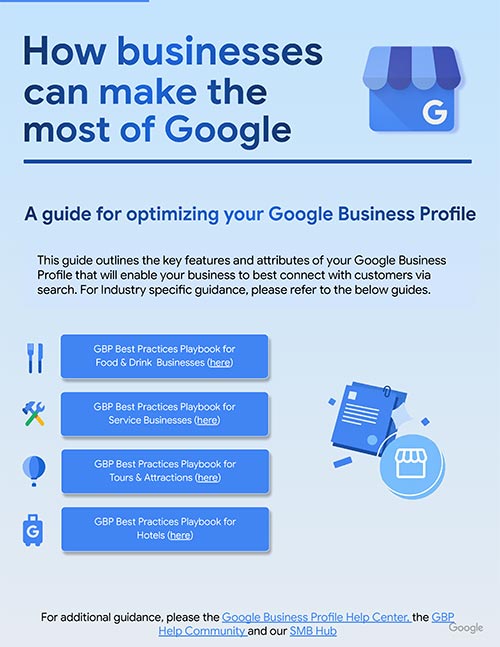
How Mortgage Professionals Can Make the Most of Google Business Profile in 2026
Author: Roar Solutions Inc.
April 8, 2026
Google Business Profile is no longer a side listing that mortgage brokers, mortgage agents, loan officers, and brokerage owners can afford to ignore. It has become one of the most visible trust assets ...
read more
How Can a Mortgage Broker Google Business Profile Influence Calls, Visibility, and AI Summaries?
Author: Roar Solutions Inc.
April 6, 2026
Reviewed by: Roar Solutions SEO, CRO, and AI Visibility Team Last updated: April 6, 2026 Reading time: Approx. 9 to 10 minutes Direct answer: Yes, a properly optimized Google Business Profile can dir ...
read more